Tonnerre Patrimoine


The Religious Life
Saint-Pierre Church
The Nave
The nave, which is very short because it abuts the Romanesque front wall, has only one double bay, similar to that of the choir, i.e. intersected by two columns: the southern one is hollowed out with flutes filled throughout by a flattened rod, like the base of ancient Ionic columns.
At the north corner of the capital, the keys of Saint Peter have been reproduced.
The vaults reproduce the two types of cross-beams.
Cross-beams also cover the lateral sections of the nave. The key on the west side of the south aisle bears the date 1607, which seems to correspond to the end of work on the interior of the building.
Two small chapels line the north aisle. They are separated by rounded pillars decorated with pilasters, but no cartouche.
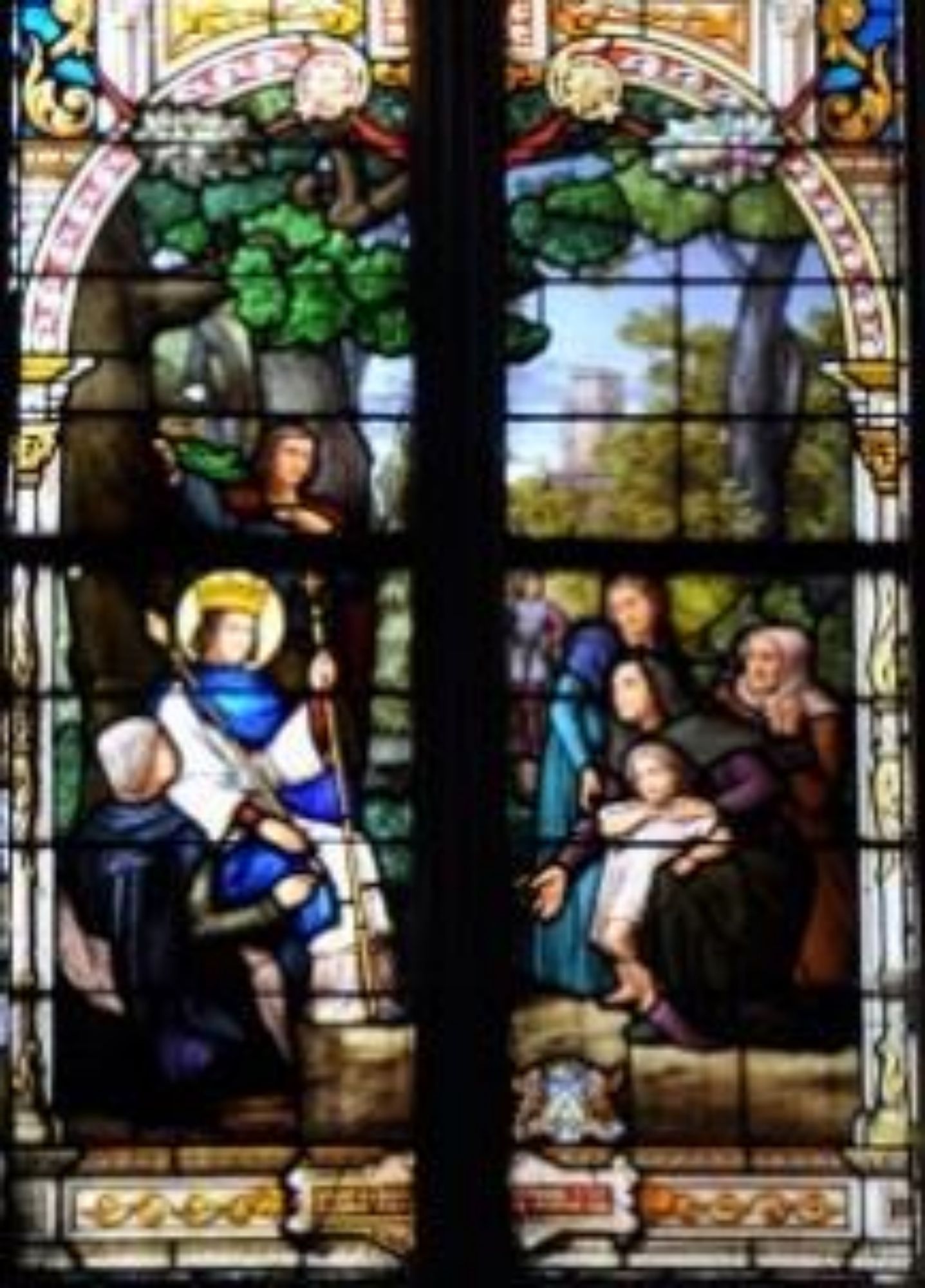
One of them depicts King Saint Louis dispensing justice under an oak tree in Vincennes. The south wing is divided into two parts, one for the baptismal font and the other marked by a small entrance door.
In the Middle Ages, churchgoers attended services standing up. From the 16th century onwards, with the development of long sermons, wooden pews or chairs were rented out, the fixed prices (increased for solemn masses) being collected by the chairmaker.
The current closed pews, which extend over the transept, date from the 19th century. Some of them bear the names of their occupants, inscribed on a copper plate.
Tonnerre Town Hall
Rue de l'Hôtel de ville
89700 Tonnerre
Corporate website :
ville-tonnerre.com
Tel:
03 86 55 22 55
Mail :
contact@tonnerre-patrimoine.com
Social networking


Qrcode reader